July 1, 2026
Seattle’s Komo news highlighted the research of three CREATE researchers using AI to improve the lives of people with disabilities.
Interviewed were Jazette Johnson, Kate Glazko, and Zhuohao (Jerry) Zhang.
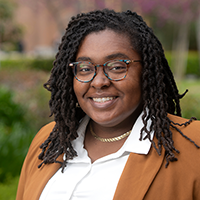
Dr. Jazette Johnson, a postdoctoral research fellow working with CREATE Director Jennifer Mankoff, studies the use of AI by people with cognitive impairment. She sees people asking AI tools like ChatGPT to interpret complex medical information. Without the context of the person’s health history or the training to present information at the right level, AI tools are more likely to confound than to clarify. Johnson has created a system that provides boundaries: it helps the patient understand a lab result but sends them to their doctors for diagnoses and complicated information. Her goals include having the patient information for context and accuracy, and also using AI to simplify the complex language that often appears on online patient portals and charts.
“It is important that we do not pause in development and engagement but also bring caution when we are presenting various things.”
Dr. Jazette Johnson, Allen School Postdoctoral Research Fellow
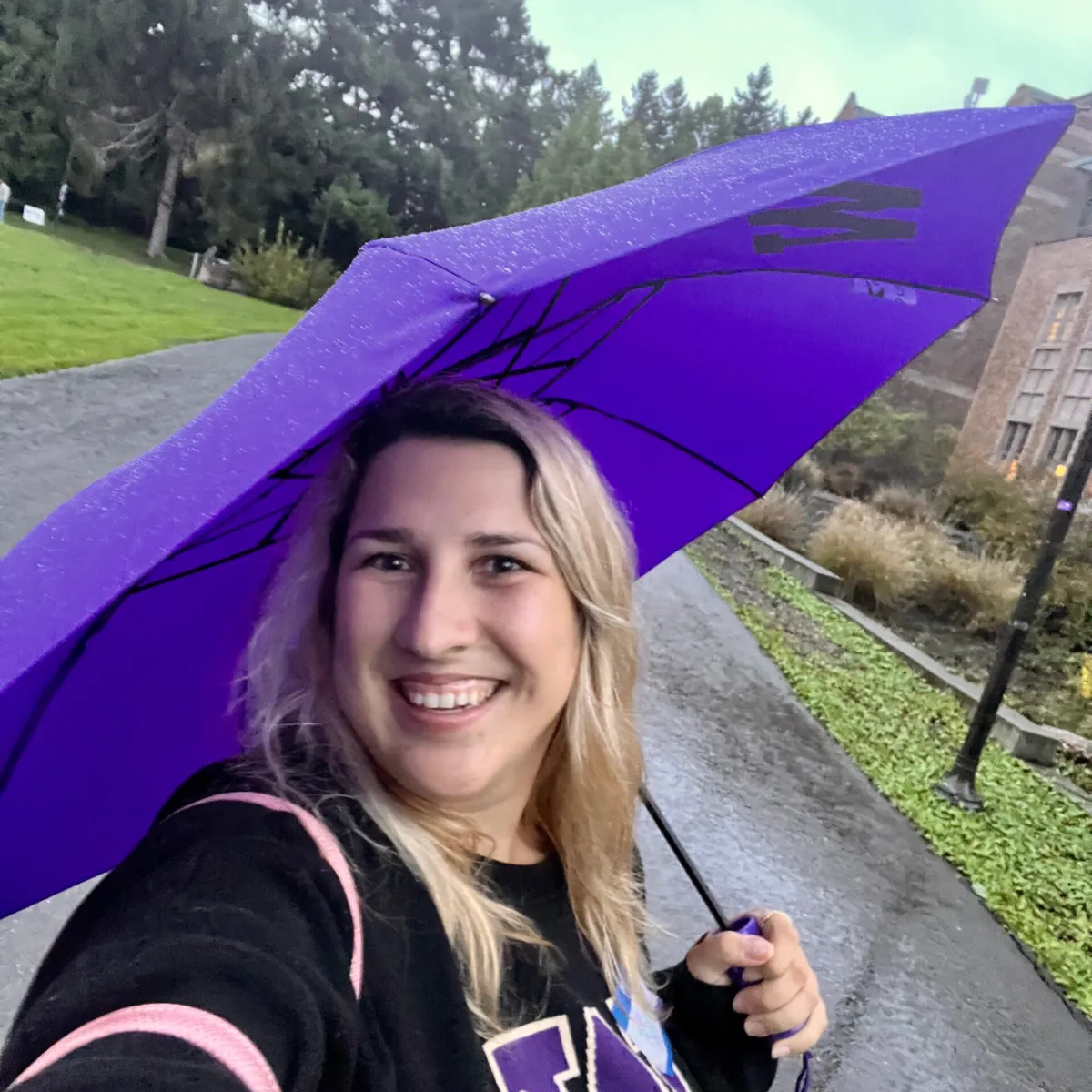
Kate Glazko, a Ph.D. student in the Allen School advised by Mankoff, previously demonstrated bias against people with disabilities in AI hiring tools. She also demonstrated that AI could be trained not to be biased against disability, but that fix was not embraced by AI developers. So Glazko moved on to study systems to help people tailor their resumes so that they are not rejected for things like disability-related awards, while keeping their identities.
“That is the power of generative AI, when it comes to accessibility. It opens doors for people to build their own solutions and personalized solutions, too.”
Kate Glazko, CREATE Ph.D. student
Glazko finds ChatGPT biased against resumes that imply disability, models improvement (with links to widespread media coverage)
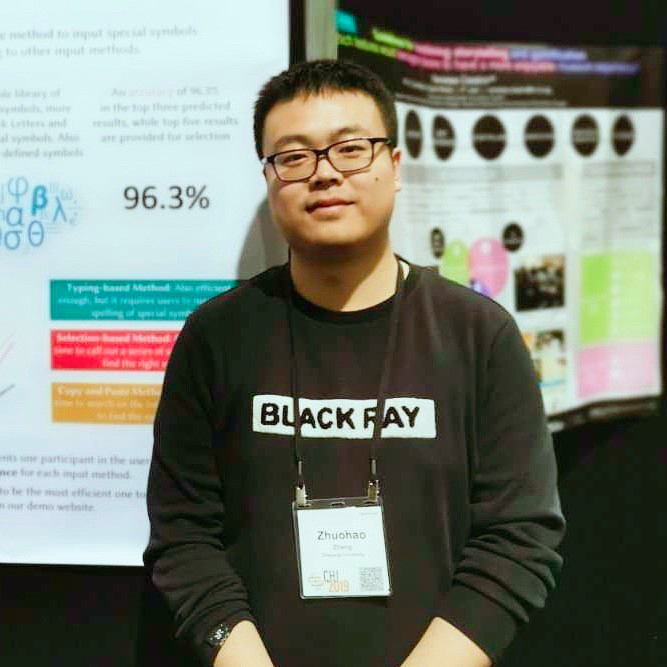
Zhuohao (Jerry) Zhang, a Ph.D. student in the Information School advised by CREATE Associate Director Jacob O. Wobbrock, is developing a program to help low vision and blind people create 3D models. He said the goal is to give as many options, and as much control as possible, back to the users. AI can generate thousands of mediocre designs very quickly, and users don’t always catch the errors and hallucinations.
“If we can design a system that is working for blind users really well, then we are eventually benefiting all people in the end.”
CREATE Ph.D. student Zhuohao (Jerry) Zhang