News from and about CREATE students who have graduated and postdoctoral researchers who have moved on.

Alumni, share your updates with the CREATE Alumni Update form.
Alumni Spotlight: Anne Spencer Ross
As a CREATE Ph.D. student, Anne Spencer Ross, Ph.D. CSE 2021, made her mark with an approach to accessibility research that was as novel as the final work was impactful.
Congratulations to our most recent Ph.D. graduates!
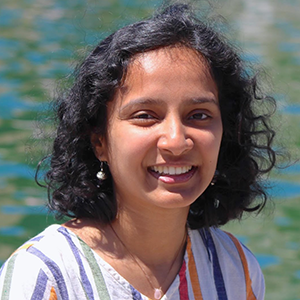
Aashaka Desai, Ph.D. 2026, Computer Science. Advised by Richard Ladner and Jennifer Mankoff. Dr. Desai’s thesis is “Bridging Language and Disability Lenses in the Design of Deaf and Hard-of-Hearing Communication Access Technologies.” She will join Gallaudet University’s Accessible Human-Centered Computing and Policy program as an Associate Research Scientist.
Mia Hoffman, Ph.D. 2026, Mechanical Engineering and a graduate certificate in Disability Studies. Advised by Heather Feldner and Katherine M. Steele. Thesis: “Mobility and Accessible Play Technologies for Young Children.” Dr. Hoffman’s work advanced understanding of how early mobility supports can promote exploration, participation, and development for children with disabilities.
Hoffman moves forward as a President’s Postdoctoral Scholar at The Ohio State University, in the School of Health and Rehabilitation Sciences in the College of Medicine.
Hoffman was profiled by UW’s Husky 100 program as “an emerging leader in accessibility committed to expanding access to assistive technology that enables participation and play for children with disabilities.”
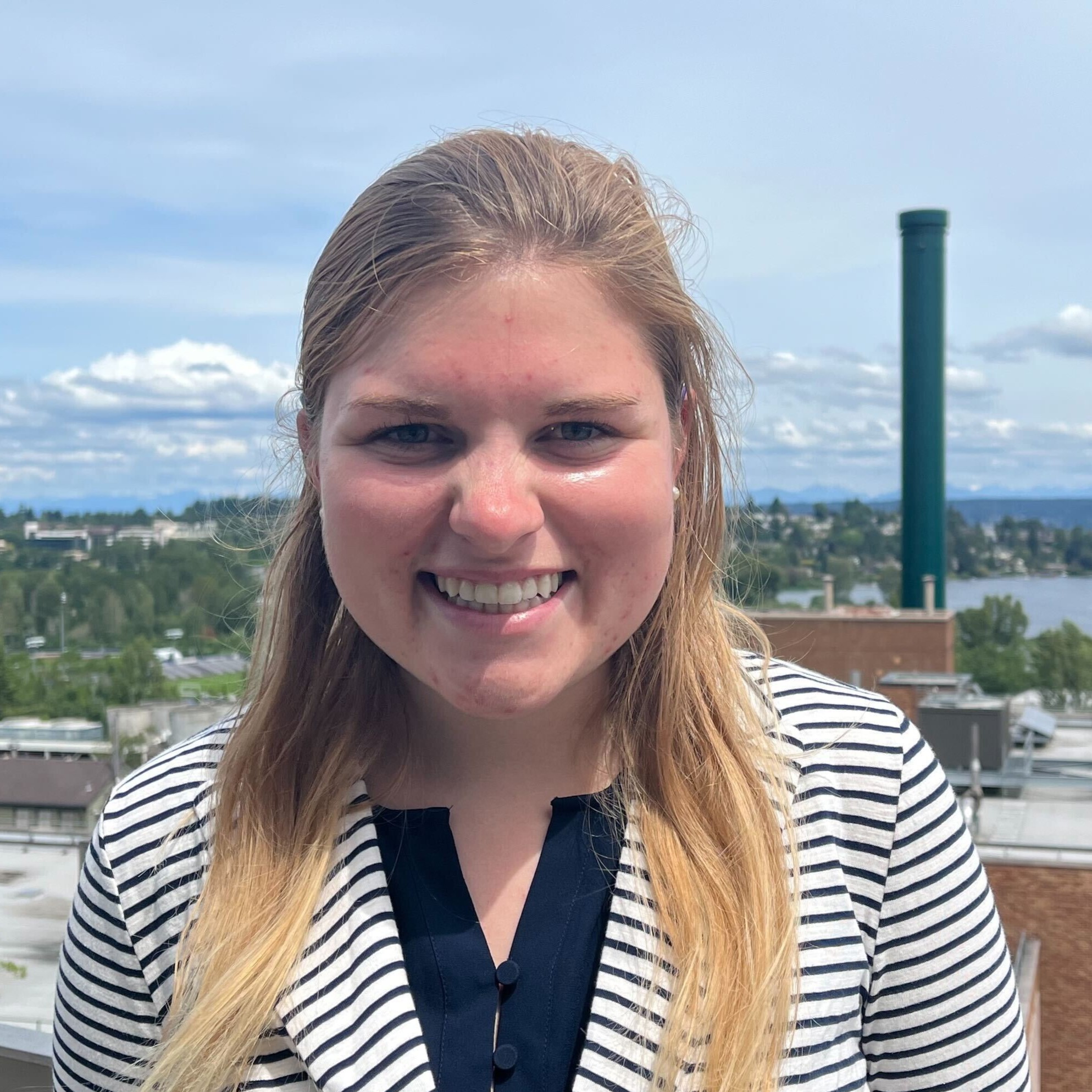
Jesse Martinez, Ph.D. 2026, Computer Science. Advised by James Fogarty. Thesis is titled “Supporting Technology Adoption for People with Disabilities.” In the fall, Dr. Martinez begins a postdoctoral appointment in the Computer-Enabled Abilities Laboratory (CEAL) at Columbia University.
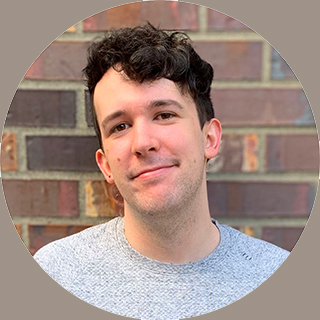
Xia Su, Ph.D. 2026, Computer Science. Advised by Jon E. Froehlich. Thesis is titled “Collaborative Intelligence for Indoor Space Understanding.” Dr. Su is headed to Google Cloud Platform as a software engineer.
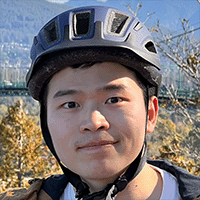
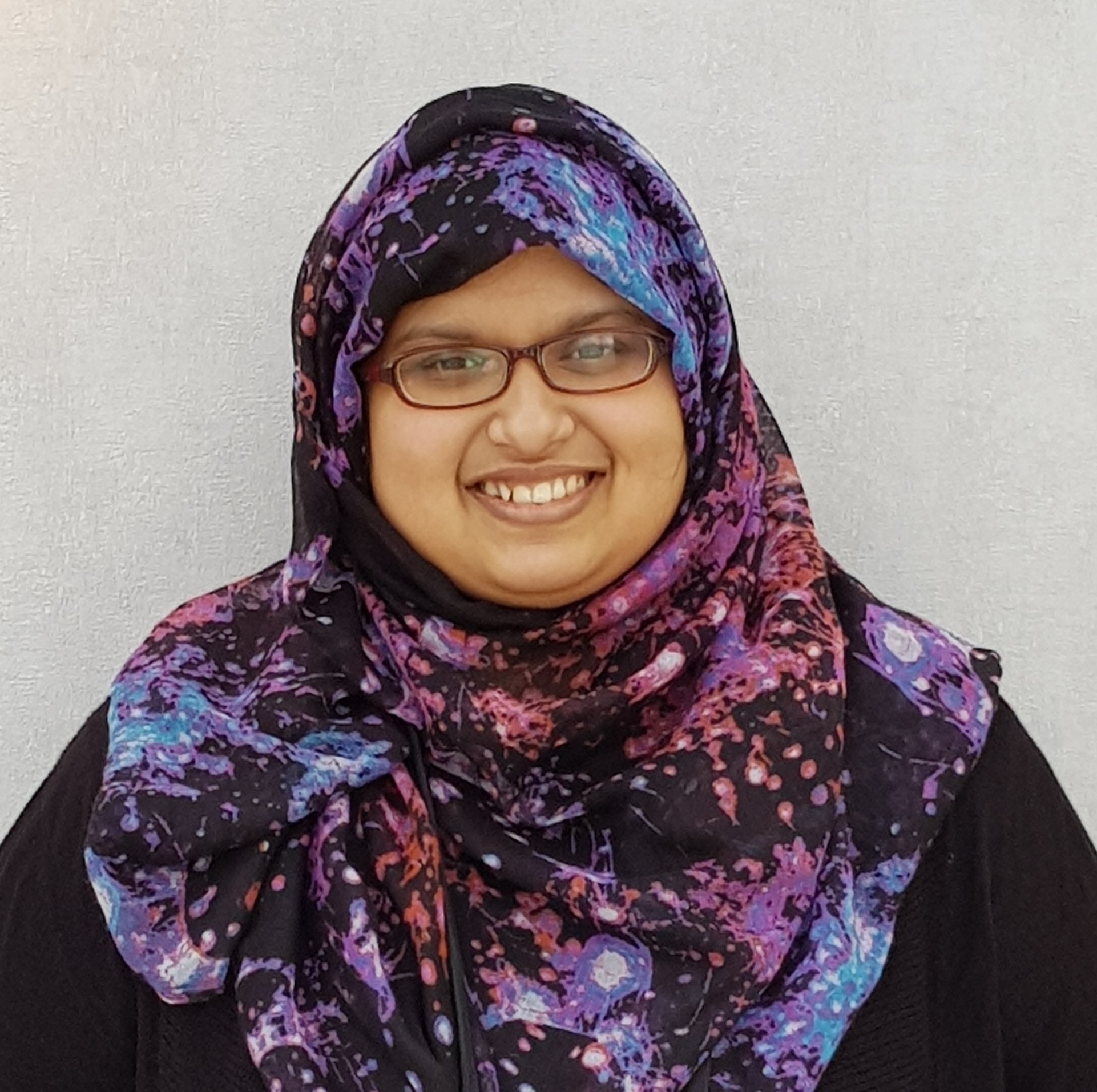
Lotus Zhang, Ph.D. 2026, Human Centered Design & Engineering (HCDE). Advised by Leah Findlater. Dr. Zhang’s thesis is titled “Accessible Digital Content Creation by Blind and Low Vision Individuals.” Zhang begins a postdoctoral appointment next fall at the University of Michigan.
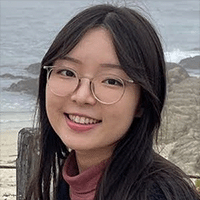
Alumni: Ph.D.s and postdocs
Stacy Hsueh, CREATE postdoctoral fellow 2023–2025. Hsueh worked with Jennifer Mankoff and Anat Caspi, using critical theory to interrogate computing norms and employing design methods to explore disability-led design. She sought to understand experiences of precarity in underserved communities and to examine the role technology plays in challenging or reinforcing structural inequities.
Hsueh is an assistant professor in the Computer Science Department at the University of Nottingham, United Kingdom.
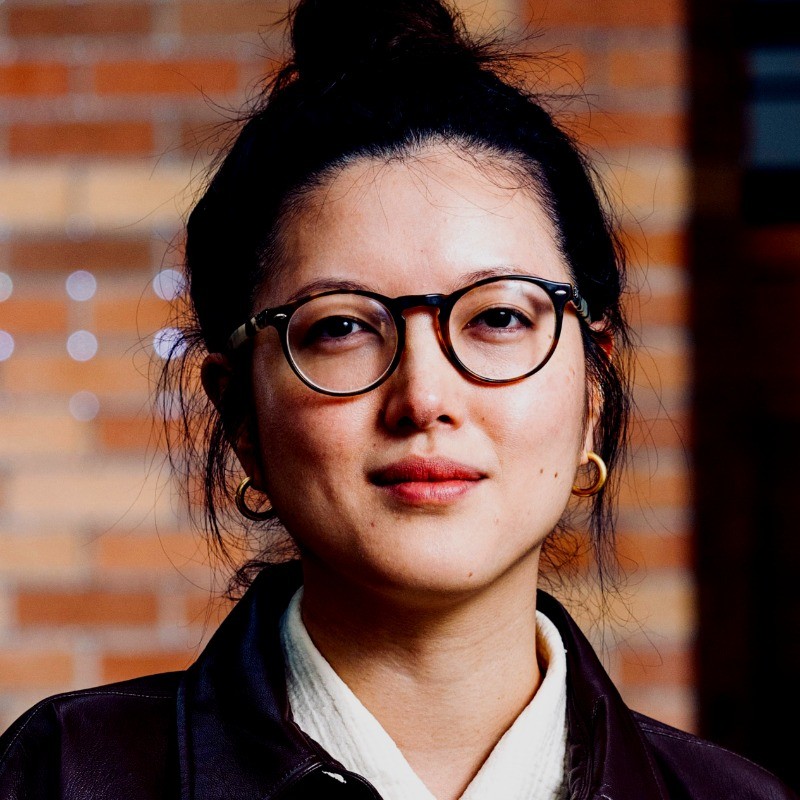
Dhruv (DJ) Jain, Ph.D. 2022, Computer Science & Engineering. Advised by Jon E. Froehlich. Dr. Jain is an assistant professor of Computer Science and Engineering at the University of Michigan, also affiliated with the School of Information and Michigan Medicine. His research lies in human-computer interaction, with a focus on accessibility, auditory interfaces, and human-centered AI. His work addresses sound awareness for deaf and hard-of-hearing people: building AI systems that make sound and speech accessible in everyday settings.
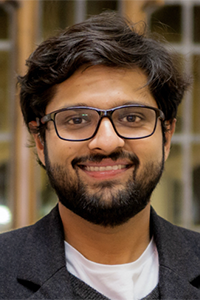
Jazette Johnson, CREATE postdoctoral fellow 2024–2026. Johnson designs and studies technologies that promote trust, safety, and wellbeing in digital environments. She studies how communities—including disabled people, older adults with dementia, and Black and Brown communities—experience, trust, and navigate AI-powered technologies, particularly in health and social contexts.
She is currently developing AI tools to support adults with cognitive disabilities (intellectual and developmental disabilities; dementia) in understanding health information and leading community-based research focused on trust, accessibility, and ethical AI design.
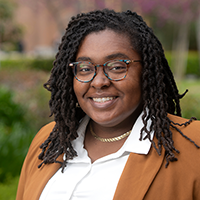
Kelly Avery Mack, Ph.D. 2024, Computer Science with a certificate in Disability Studies. Advised by Jennifer Mankoff. After graduating, Mack held a postdoctoral appointment in HCDE, mentored by Leah Findlater, and is now an Apple AI/ML Resident. Mack has written accessible summaries of their UW research.
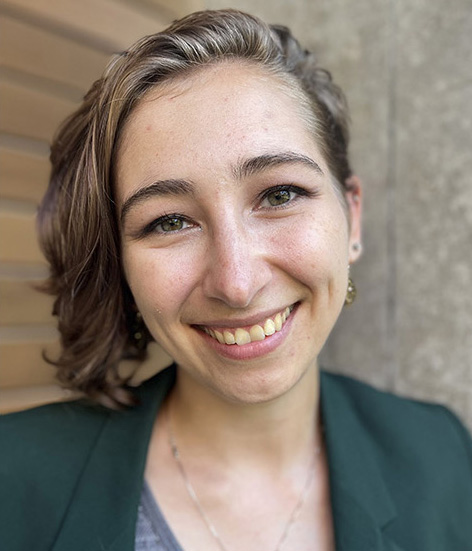
Emma J. McDonnell, Ph.D. 2024, Human Centered Design and Engineering. Advised by Leah Findlater. McDonnell’s dissertation research explores how communication technology, specifically captioning, could be redesigned to encourage mixed ability groups to take a collective approach to accessibility.
After graduating, McDonnell was a National Library of Medicine Postdoctoral Fellow in Biomedical Informatics and Medical Engineering in the UW School of Medicine, where she explored how disability studies perspectives could inform the design of health-focused technologies. McDonnell then moved into a four-year fellowship in the Institute of Visual Computing and Human-Centered Technology, Technische Universität Wien, in Vienna, Austria.
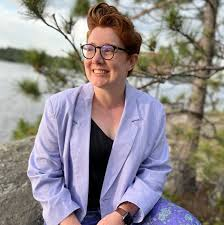
Anant Mittal, Ph.D. 2025, Computer Science. Advised by James Fogarty. Mittal’s thesis focused on the design, implementation, and examination of systems for communication, collaboration, and coordination in complex settings, such as interactions among people with and without disabilities and patients with chronic conditions collaborating with providers for care. Mittal worked on the design and development of Jod, a videoconferencing platform to facilitate communication in mixed hearing groups.
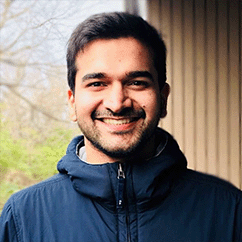
Tamanna Motahar, CREATE postdoctoral fellow 2024–2025. Motahar is the Patrick Clark Endowed Assistant Professor in the School of Computing and Informatics at the University of Louisiana at Lafayette. She has expressed deep gratitude to her fellow CREATE postdocs and her mentors, Maya Cakmak, Heather Feldner, and Jennifer Mankoff, for their guidance, mentorship, and support during her postdoctoral fellowship and during the job search.
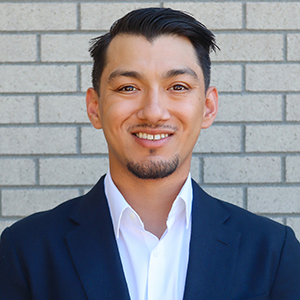
Dr. Anthony Osuna, posdoctoral researcher 2023–2025 while based at Seattle Children’s Research Institute in the Center for Child Health, Behavior, and Development, where he launched a research lab focused on digital health equity for people with autism and intellectual and developmental disabilities (IDD). Osuna is now Acting Assistant Professor in the UW Department of Pediatrics.
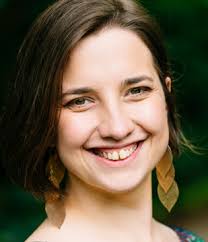
Alexandra (Sasha) Portnova, CREATE postdoctoral fellow 2022–2024. Portnova’s work while at CREATE aimed to improve accessibility of commercially-available hand-tracking devices and use them as tools for remote hand rehabilitation.
In 2024, Portnova was interviewed about her experiences as a NIDILRR-funded fellow and about her work in rehabilitation research. Portnova spoke about the value of the CREATE ARRT fellowship in transitioning from the overwhelming life of a Ph.D. student into a faculty career.
After her fellowship ended, Portnova worked as a research scientist in the Neuromechanics & Mobility Lab, under the direction of CREATE associate director Katherine M. Steele. In 2025, she moved on to work at Meta.

Former CREATE postdoc Sasha Portnova talks about her experiences and inspirations
November 22, 2024 Dr. Alexandra (Sasha) Portnova, a postdoctoral researcher with CREATE in 2022-24, was interviewed about those experiences as a NIDILRR-funded fellow and about her work in rehabilitation research. In the National Rehabilitation Information Center interview, Portnova spoke about the value of the CREATE ARRT fellowship in transitioning from the overwhelming life as a…
Venkatesh Potluri, Ph.D. 2024, Computer Science & Engineering. Advised by Jennifer Mankoff. Dr. Potluri’s research has examined accessibility barriers experienced by blind or visually impaired (BVI) developers participating in user interface design, data science, and physical computing. His work has contributed real-world systems to improve developer tools and new interaction techniques to address these access barriers. Potluri is an assistant professor at the School of Information, University of Michigan.
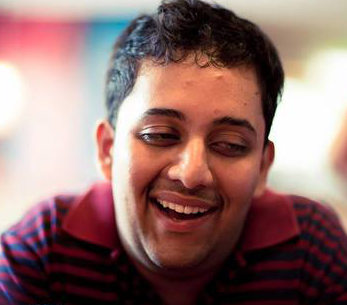
Ather Sharif, Ph.D. 2024, Computer Science & Engineering. Advised by Jacob O. Wobbrock. After graduating, Sharif held the one-year Bonderman Fellowship. He is now a principal associate at Capital One and founder and researcher at EvoXLabs, an initiative to bridge the gap between technology and people with disabilities. Sharif was recognized by RealLIST Innovators 2025, one of 15 key AI developers and community leaders.
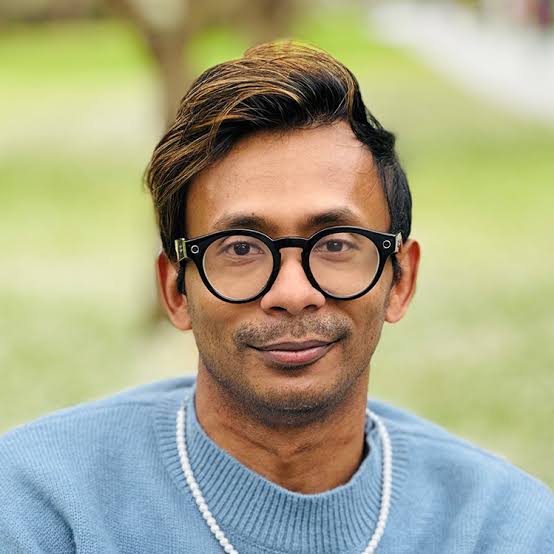
Bethany M. Sloane, CREATE postdoctoral fellow 2024–2025. Sloane worked with CREATE associate directors Heather Feldner and Katherine M. Steele and CREATE faculty Kim Ingraham.
Sloane, who has been working to expand power mobility options for young children with cerebral palsy and other mobility delays, received an NIH K23 Mentored Patient-Oriented Research Career Development Award. The award will allow her to pursue her research for the next four years. She is now an associate professor at Oregon State University.
With new NIH funding, CREATE postdoc Bethany Sloane continues research for children with cerebral palsy, motor delays

September 15, 2025 CREATE postdoctoral researcher Bethany Sloane has been working to expand power mobility options for young children with cerebral palsy and other mobility delays. The NIH K23 Mentored Patient-Oriented Research Career Development Award will allow her to pursue her research for the next four years. Exploration and self-initiated mobility are known to support…
Anne Ross Spencer, Ph.D. 2021, Computer Science & Engineering. Advised by James Fogarty and Jacob O. Wobbrock.
After graduating, Spencer was appointed Assistant Professor at Bucknell University.
Alumni Spotlight: Anne Spencer Ross
As a CREATE Ph.D. student, Anne Spencer Ross, Ph.D. CSE 2021, made her mark with an approach to accessibility research that was as novel as the final work was impactful.
Alyssa Spomer, Ph.D. 2023, Mechanical Engineering. Advised by Katherine M. Steele. Spomer received an NSF Graduate Research Fellowship and TL1 Fellowship and was honored by UW’s Husky 100 program in 2020. Spomer is now a Clinical Scientist at Gillette Children’s, St. Paul.
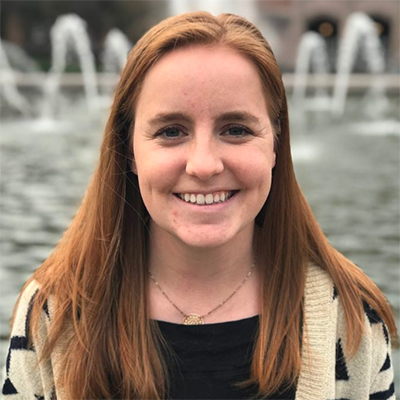
Nicole Zaino, Ph.D. 2023, Mechanical Engineering. Advised by Katherine M. Steele and Heather Feldner. Her thesis examined how individuals use and are impacted by mobility aids.
Zaino is a research scientist in biomechanics and assistive technology at LUCI Mobility and a world-class athlete with the U.S. Paralympic Nordic team who competed in the 2026 Winter Paralympics.
Alum Nicole Zaino combines research in biomechanics, assistive technology with world-class Para Nordic skiing
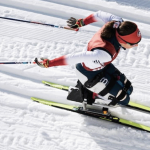
June 17, 2025 While Nicole Zaino was Ph.D. student in mechanical engineering, her study of biomechanics and assistive technology focused on customized mobility devices and how individuals use and are impacted by mobility aids. Advised by Katherine M. Steele and Heather Feldner, she also served as HuskyADAPT's Community Outreach Chair and worked in the IMPACT…
More alumni news
Alumni Spotlight: Anne Spencer Ross
As a CREATE Ph.D. student, Anne Spencer Ross, Ph.D. CSE 2021, made her mark with an approach to accessibility research that was as novel as the final work was impactful.
ASSETS 2026: CREATE Papers, Presentations and Demos
August 31, 2026 CREATE faculty, students, and alumni will present their research at ASSETS 2026 in Porto, Portugal this October. Posters and demos are still being added. Let us know if we missed anything. Awards Wobbrock to receive the 2026 SIGACCESS Award for Outstanding Contributions to Computing and Accessibility Congratulations to Jacob O. Wobbrock on…
Alum Nicole Zaino combines research in biomechanics, assistive technology with world-class Para Nordic skiing
June 17, 2025 While Nicole Zaino was Ph.D. student in mechanical engineering, her study of biomechanics and assistive technology focused on customized mobility devices and how individuals use and are impacted by mobility aids. Advised by Katherine M. Steele and Heather Feldner, she also served as HuskyADAPT's Community Outreach Chair and worked in the IMPACT…
With new NIH funding, CREATE postdoc Bethany Sloane continues research for children with cerebral palsy, motor delays
September 15, 2025 CREATE postdoctoral researcher Bethany Sloane has been working to expand power mobility options for young children with cerebral palsy and other mobility delays. The NIH K23 Mentored Patient-Oriented Research Career Development Award will allow her to pursue her research for the next four years. Exploration and self-initiated mobility are known to support…
Spring 2025 Research Showcase
May 30, 2025 Student teams presented 30 projects, covering a wide range of research. Undergraduate and graduate students from at least eight majors/programs and all three UW campuses shared their projects. Seventeen of over 120 attendees of the 2025 Research Showcase, gathered in discussion groups around research posters. More photos below. The closing event for…
Students: Apply for HuskyADAPT Leadership Positions
April 7, 2025 CREATE students are encouraged to join the HuskyADAPT leadership team through a variety of student chair positions. Applications are being accepted through Friday, April 18. Being on the leadership team involves approximately 5 hours per week of commitment, though this may vary based on your role and upcoming events. The HuskyADAPT chairs…
Former CREATE postdoc Sasha Portnova talks about her experiences and inspirations
November 22, 2024 Dr. Alexandra (Sasha) Portnova, a postdoctoral researcher with CREATE in 2022-24, was interviewed about those experiences as a NIDILRR-funded fellow and about her work in rehabilitation research. In the National Rehabilitation Information Center interview, Portnova spoke about the value of the CREATE ARRT fellowship in transitioning from the overwhelming life as a…
Alumni Spotlight: Accessibility overlays can make websites less accessible
October 31, 2024 Web accessibility overlays are intended to let users control visual elements like font size, color, and contrast. Recent research found that these attempts to make inaccessible sites accessible often interfered with screen readers and drove users away from the sites. Kristin Shinohara, Ph.D. iSchool ’17, co-authored a paper that indicates web overlays…
Spring 2024 Research Showcase
May 30, 2024 The closing event for CREATE's Community Day 2024 on May 20th, this research showcase was co-sponsored by HuskyADAPT. Posters and presentations A11yBoard: Making Presentation Slideshow Reading and Editing Accessible to Blind Users Designing human-AI and multimodal interactions to make presentation slideshow reading and editing accessible. Zhuohao (Jerry) Zhang, Gene S-H Kim, Jacob…
Wheels in motion: Improving mobility tools for children with developmental delay, cerebral palsy
February 28, 2024 Adapted ride-on cars (ROC) are an affordable, power mobility training tool for young children with developmental and motor disabilities. Previous research has identified environmental factors, such as weather and adequate drive space, as barriers to families’ adoption of their ROC. Now, a new study looks at the relationship between the built environment…
Off to the Park: A Geospatial Investigation of Adapted Ride-on Car Usage
November 7, 2023 Adapted ride-on cars (ROC) are an affordable, power mobility training tool for young children with disabilities. But weather and adequate drive space create barriers to families' adoption of their ROC. CREATE Ph.D. student Mia E. Hoffman is the lead author on a paper that investigates the relationship between the built environment and…
CREATE Papers and Posters at ASSETS 2023
October 4, 2023 As has become customary, CREATE faculty, students and alumni will have a large presence at the 2023 ASSETS Conference. It'll be quiet on campus October 23-25 with these folks in New York. Papers and presentations How Do People with Limited Movement Personalize Upper-Body Gestures? Considerations for the Design of Personalized and Accessible…
Accessible Technology Research Showcase - Spring 2023
The 2023 CREATE and HuskyADAPT research showcase brought 25 project presentations and over 100 attendees.
Accessible eSports Showcase 2023: Event Recap
In April 2023, CREATE hosted its first ever Accessible eSports Showcase event, bringing together members of the CREATE community, local community organizations, tech and games Corporate Partners, and folks from all over the Seattle area looking to learn about and celebrate ongoing strides being made in making video games more inclusive and accessible to people…
ASSETS 2021: Faculty and Alumni awards

CREATE faculty and alumni scooped up several awards at the ASSETS 2021 conference. Paper Impact Award: Mankoff, Best Paper award: Katharina Reinecke, Best Artifact: scia11y team.