CREATE research aims to make a difference in the word through translation: turning the results of research—new knowledge, software, data, and methods—into practical tools that people want and that they can use.
Historically, the delay between the publication of accessibility research and products being delivered to the communities needing accessibility tools has been too long—often a decade and more. CREATE aims to close that gap by making tools available for use and adaptation; bringing our partners together to showcase emerging research; and connecting students with industry representatives.
Tools you can use: Open source projects from CREATE members
For DIYers and the open source community
A11yhood.org: A website that collects information about open source assistive technologies. Disabled makers and developers, as well as their allies and communities, can find, use, and contribute to a variety of open source accessibility projects.
Developed by CREATE, led by CREATE Director Jennifer Mankoff.
For families with members with disabilities
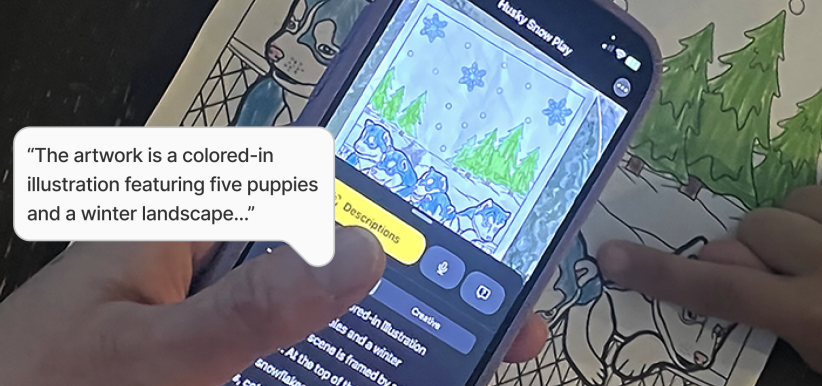
ArtInsight: An iOS app that supports parents who are blind or low-vision (BLV) in engaging with their sighted children’s artwork.
Developed by Ph.D. student Arnavi Chheda-Kothary, advised by CREATE Associate Directors Jon E. Froehlich and Jacob O. Wobbrock.
Braille2Latex: A website that lets users type in Braille or upload a Braille file and then download it as latex, PDF, or HTML. This makes it easier for a sighted person to view a Braille file if they are not familiar with Braille.
Under development by the Make4All Lab, led by CREATE Director Jennifer Mankoff.
Braille2Latex on GitHub
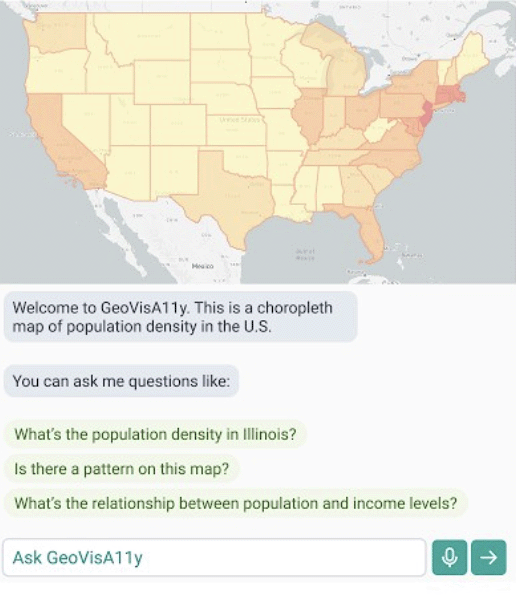
GeoVisA11y: An LLM-based system that makes geovisualizations accessible using written and spoken natural language. It supports map reading, analysis, interpretation, and navigation by handling analytical, geospatial, visual, and contextual queries.
Makeability Lab Ph.D. student Chu Li, advised by CREATE Associate Director Jon E. Froehlich.
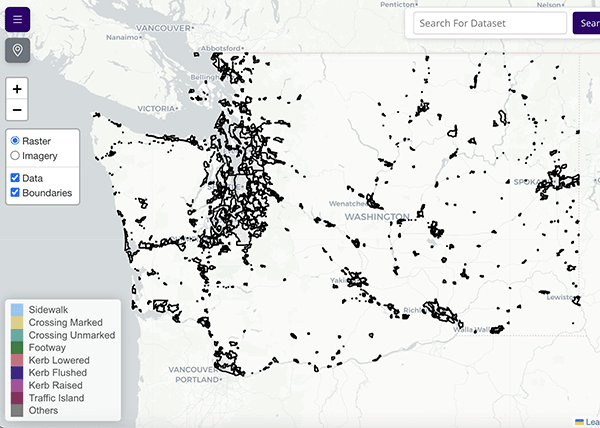
OS-CONNECT: An app and a collection of data sets that let pedestrians tailor routes throughout much of Washington state for their accessibility needs and preferences. The platform gives urban planners the crucial data they need to identify infrastructure gaps.
Developed by the Taskar Center for Accessible Technology, led by CREATE Associate Director Anat Caspi.
For researchers and data scientists
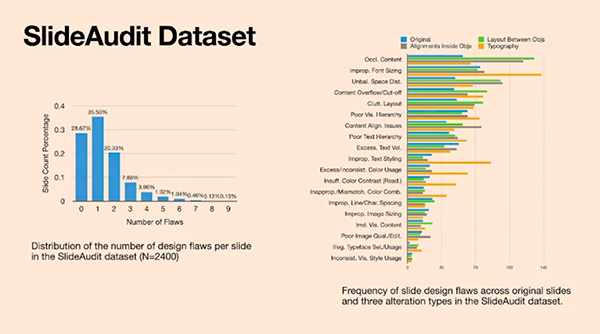
SlideAudit: A dataset of slides annotated about their design flaws and successes, which can be used to train AI models to improve slide creation tools used by Blind/Low Vision slide designers.
Developed by Ph.D. student Zhuohao (Jerry) Zhang, advised by Jacob O. Wobbrock.
All the tools listed above, and more, are included in a11yhood.org’s CREATE collection.
Translation events
Our annual Community Day
CREATE hosts experts from academia, industry, and nonprofits to discuss ongoing and needed accessibility research. Specifically selected for their success in translating accessible research, 2025 panelists discussed timely issues facing disability communities and how to bring research into the world. Learn more about Community Day.
CREATE-HuskyADAPT Research Showcases
At our annual Research Showcases, co-sponsored by HuskyADAPT, undergraduate and graduate student teams from at least eight majors/programs and all three UW campuses share their projects, covering a wide range of research. These events are attended by members of disability communities who have contributed to the projects and have formed new relationships with researchers to bring the work to their communities.
Industry visits
Periodically, we host visitors who work in accessible technologies. Please reach out to us if you are a tech industry professional and are interested in meeting with our researchers. we invite leaders in accessibility research to speak with students.
Previous industry visits
CREATE hosts discussion panels for Ph.D. students. In a recent panel, Ph.D. graduates with disabilities who have successfully found employment in academic, non-profit, and industry job markets shared their tips and strategies. See Navigating the Job Market While Disabled.
Shaun Kane, a Google Research scientist, CREATE Ph.D. graduate, and now a member of our Advisory Board, recently met with CREATE students to discuss their research and presented on accessibility at the DUB seminar.
Hrvoje Benko, Director of Research Science at Meta Reality Labs Research, also met with CREATE students to discuss their research.